Train with Sarah in Brighton.
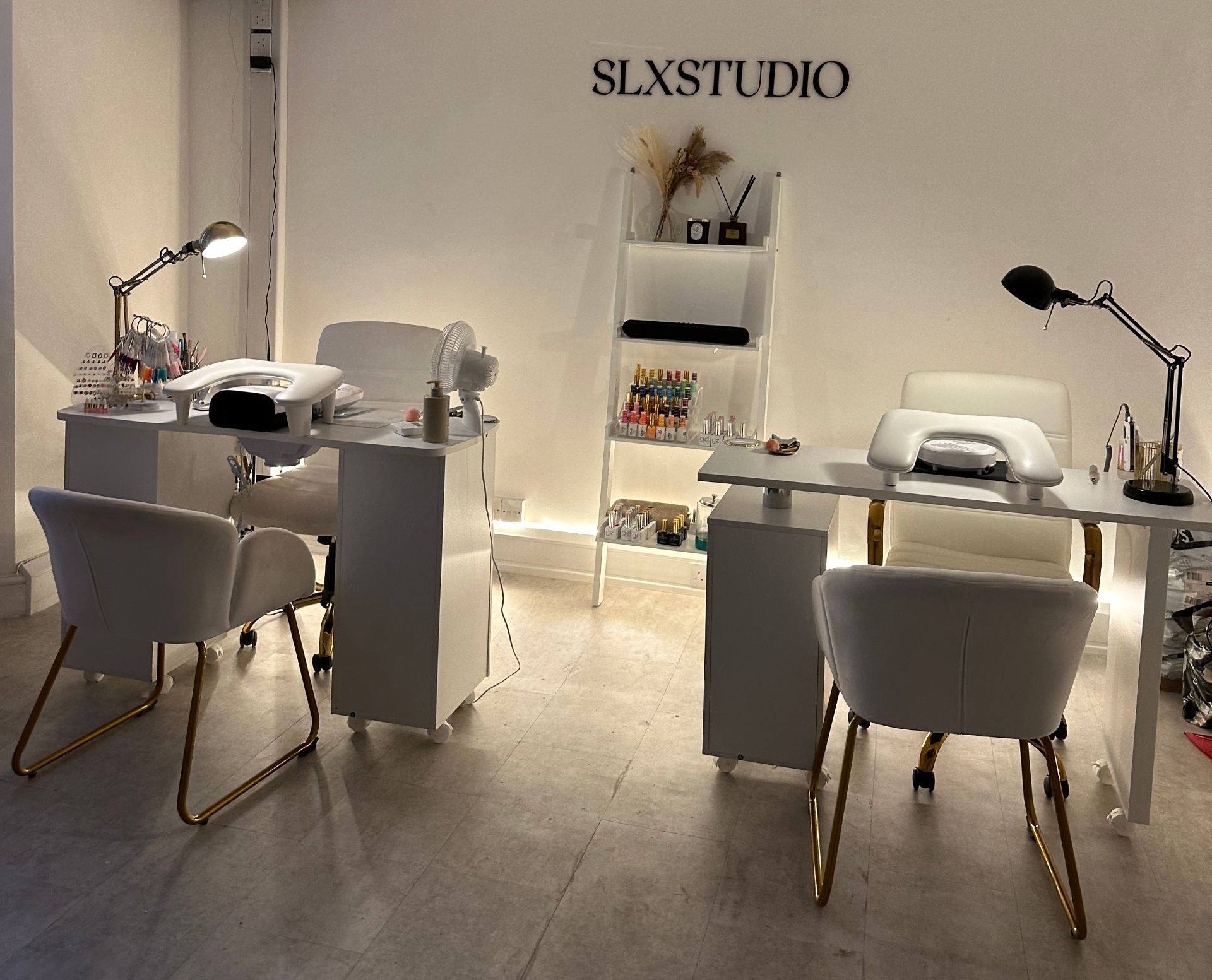
A day (or two) at SLX Studio, working one-to-one with Sarah at the desk. Small numbers, real client-level teaching, and the kind of feedback you don't get from a screen. You leave with a technique locked in and a clear sense of what to practise next.
Course options
Gel Builder
A focused, in-person session at SLX Studio in Brighton. Small numbers, direct feedback, and everything you need to walk out with the technique in your hands.
Acrylic
A focused, in-person session at SLX Studio in Brighton. Small numbers, direct feedback, and everything you need to walk out with the technique in your hands.
Fast Track: Gel Builder + Acrylic
A focused, in-person session at SLX Studio in Brighton. Small numbers, direct feedback, and everything you need to walk out with the technique in your hands.
What each course covers
A hands-on day (or two) covering one or both systems in depth, taught at the desk with Sarah. The technique, the refinements, and the business alongside it.
The Gel Builder curriculum
Foundations
Nail anatomy, hand anatomy, and the professional standards behind safe, healthy work.
- Nail structure: plate, bed, matrix, lunula, cuticle
- Hand anatomy: phalanges, metacarpals, carpal bones
- Salon hygiene protocols
- Health and safety, insurance basics
Client safety
Recognising what to work with, what to avoid, and how to protect yourself and your clients.
- Contra-indications: fungal, bacterial, viral, skin conditions
- Contra-actions: allergic reactions, chemical burns, over-filing
- Allergies and overexposure
- Ventilation, storage, and safe disposal
Nail preparation
The prep work that determines whether your set lasts three days or three weeks.
- Sanitising protocols
- Cuticle care and non-living tissue removal
- Shaping and filing
- Shine removal and surface preparation
Tip application and shaping
Getting the foundation right before any product touches the nail.
- Sizing and tailoring tips
- Blending and glue application
- The seven core nail shapes: squoval, oval, square, almond, stiletto, coffin, ballerina
Gel builder application
The core technique, taught properly. Slip layer, apex construction, curing.
- Dehydrator and preparation
- Slip layer application and curing
- Building the apex with a liner brush
- Multi-layer curing protocols
Refining and finishing
The details that separate a good set from a great one.
- Removing the tacky layer
- Nail refinement and buffing
- Top coat application and curing
- Cuticle oil and final finish
The Acrylic curriculum
Foundations and client safety
Anatomy, hygiene, and the professional standards behind safe, healthy work.
- Nail structure: plate, bed, matrix, lunula, cuticle
- Hand anatomy: phalanges, metacarpals, carpal bones
- Contra-indications and contra-actions
- Ventilation, storage, and safe disposal of monomer
Nail preparation
The prep work that determines whether your set lasts three days or three weeks.
- Sanitising protocols
- Cuticle care and non-living tissue removal
- Shaping and filing
- Shine removal and surface preparation
E-file technique
Using an electric file safely and effectively, which is where most acrylic technicians either level up or plateau.
- E-file bits: mandrel, carbide, ceramic, cuticle, buffer
- Speed control and safety
- Directional rotation
- Avoiding heat buildup and over-filing
Tip application and shaping
Sizing, blending, and shaping with acrylic-specific application in mind.
- Sizing and tailoring tips
- Blending and glue application
- The seven core nail shapes: squoval, oval, square, almond, stiletto, coffin, ballerina
Acrylic application
The monomer-to-polymer ratio that determines whether your set adheres, cures, and lasts. This is where the technique lives.
- Dappen dish setup with monomer and polymer
- Brush preparation and saturation
- Powder-to-liquid ratio: getting the bead right
- Bead placement: tip down to cuticle
- Building beads gradually as your technique develops
Refining, finishing, and design
File back to shape, refine with the e-file, buff, top coat, oil. Then the artistic side that becomes your signature.
- The full finishing sequence
- Dotting tools and liner brushes
- Airbrush technique and 3D gel work
- Blooming gel effects
The business alongside the craft
Every SLX course teaches the technique alongside the business of turning it into a career. Because knowing how to do the work is only half the picture.
- Client care and the professional standards that build repeat bookings
- Aftercare protocols that protect your work and demonstrate your expertise
- Infill and removal maintenance that keeps clients returning every 2-3 weeks
- Setting up as a nail technician: legal, insurance, tools
- Social media fundamentals: showing up in a way that attracts the right clients
- Pricing your work with confidence
Questions, answered
Do I need a nail qualification before I book?+
Yes. This is an advanced skills day, so you need a recognised manicure and gel polish qualification before attending. If you're not sure whether yours qualifies, email hello@slxnails.com and we'll check it for you.
What's included in the course fee?+
All products, tools and practice materials are provided on the day, plus a detailed course manual and a certificate of completion. You just need to bring a notepad, your phone for photos and a willingness to learn.
How many students are in each class?+
Classes are intentionally small, usually four to six students, so Sarah can spend real time with each person and correct technique as you work.
Do I need to bring my own products?+
No. The studio is stocked with everything you need. If you already have a preferred brush or lamp you're welcome to bring it, but it isn't required.
Is there support after the course?+
Absolutely. You'll leave with a clear next-practice plan and access to the SLX alumni group for follow-up questions. Many students book a follow-up mentorship session once they've practised at home.
Train with
Sarah in
Brighton.
Hands-on training in the SLX Studio, set up for small-group learning and one-to-one feedback.
Studio location
Brighton, UK
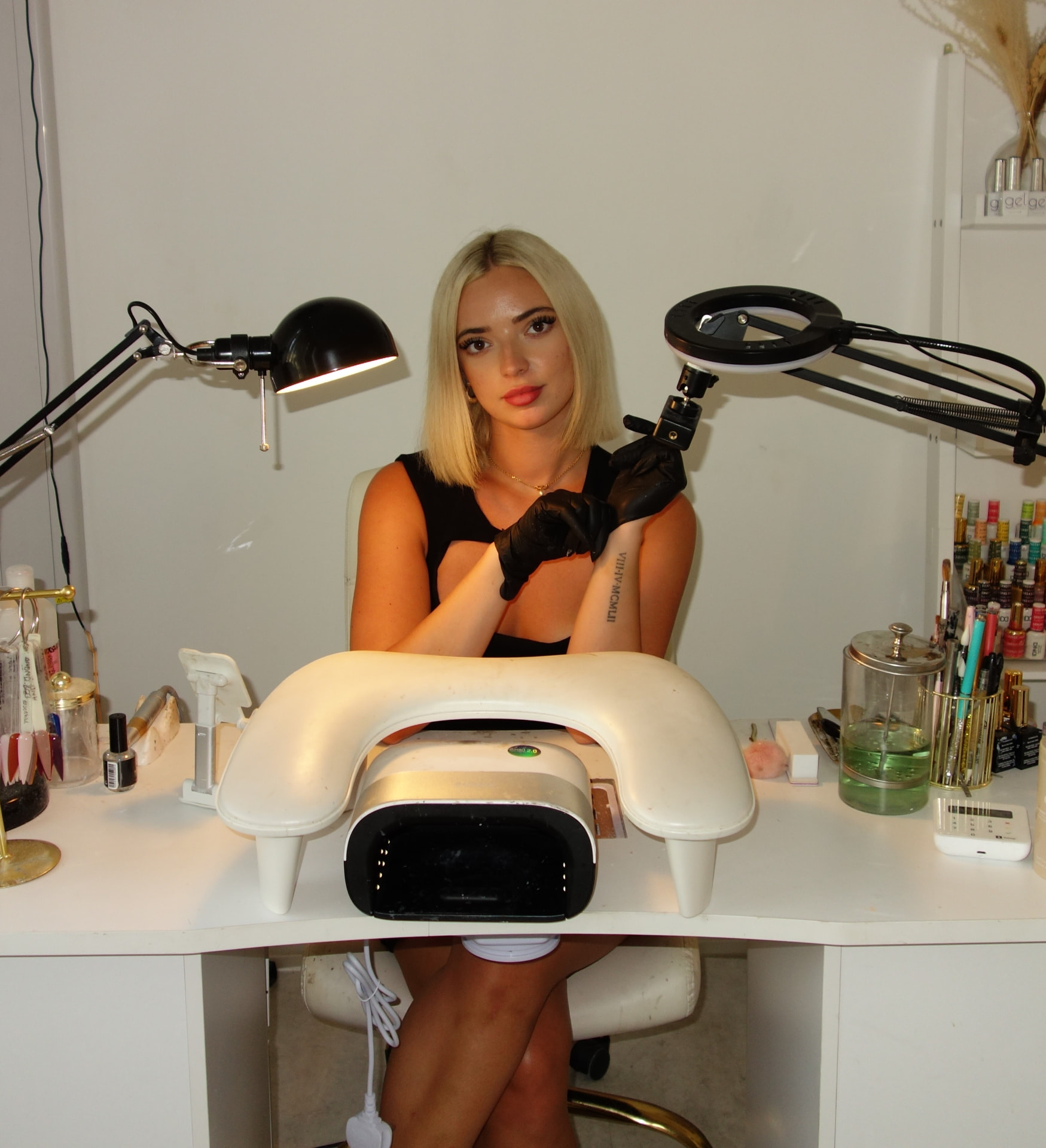
Sarah, founder of SLX.
Sarah built SLX from her bedroom before moving to her Brighton studio, teaching herself the craft alongside a business management degree. That combination shows up in everything she teaches: the technique matters, but so does the business you build around it.
She teaches nail artistry as a craft with a career attached to it. Her in-person days are built around real client-level feedback, small groups, and the kind of corrections that move your technique forward in hours rather than months.